
How do you raise money for a building that hasn’t been designed yet?
It is a challenge many nonprofits, churches, private schools, camps, and other organizations face. You may need to begin fundraising before your construction project is fully designed, but donors, board members, lenders, and other stakeholders naturally want details. What will the building look like? What will it accomplish? How much will it cost? When could it be completed?
Without preliminary design, budgeting, and project planning, it can be difficult to turn a great building idea into a compelling and credible Capital Campaign.
That is where early Design-Build planning can help.
Give People Something They Can See
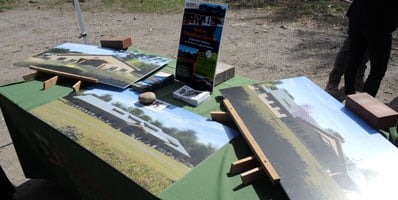
Explaining a building with words alone can be difficult. A floor plan, site plan, or rendering can make the idea much easier to understand—and much easier for your fundraising team to talk about.
During Phase I of Wolgast’s three-phase, Design-Build process, we collaborate with the Owner to define the project and develop preliminary information that can be shared with stakeholders and potential funding sources.
Depending on the project, these planning materials may include:
- Site plan, floor plan, and renderings to show what is being proposed and how the building will fit on the property.
- Preliminary construction budget to establish a realistic fundraising target based on the proposed project.
- Preliminary construction schedule to provide an expected timeline from design through construction.
- Comprehensive scope of work describing what is included in the project and how it is expected to be constructed.
- Models or 3D imaging, when appropriate, to help stakeholders better visualize the finished facility.
Together, these materials help transform an idea into a project people can understand.
Put a Realistic Number Behind the Vision
A beautiful rendering can generate excitement, but eventually someone is going to ask, “How much will it cost?”
Early construction budgeting is an important part of the Design-Build process because it connects the desired scope with the financial realities of the project. Rather than setting up a Capital Campaign goal based solely on an assumption, the Owner has a preliminary construction budget developed alongside the project concept.
That information can be valuable during board discussions, donor presentations, Capital Campaign events, and financing conversations. Just as importantly, it gives everyone involved in fundraising a more consistent story to tell about what is being built, what is included, and what it will take to make the project happen.
We Don't Raise the Funds. We Help You Define What You're Raising Them For.
Wolgast has recently worked with a nonprofit organization, a church, and a private camp that needed to raise funds for new buildings or additions.
Our role was not to conduct their Capital Campaigns. Instead, we helped develop the construction information their teams needed to confidently communicate their projects.
In each case, the organization was able to take the plans, project details, budget information, and other materials and use them as part of its own fundraising efforts. All three ultimately found the support needed to move their projects forward.
What If the First Plan Costs More Than You Want to Raise?
That can happen—and it is much better to discover it during planning than after fundraising is underway.
Because design and estimating are working together during the Design-Build process, there are opportunities to evaluate alternatives. Value Engineering may identify different materials, systems, or construction approaches. Scope can also be prioritized or adjusted to bring the project closer to a fundraising goal that the organization believes is achievable.
Other presentation materials can also be developed. If a physical model, enhanced rendering, or 3D visualization would help generate excitement among stakeholders, Wolgast can coordinate with businesses that specialize in creating those materials.
The goal is to give your organization enough credible information to answer the questions potential supporters are likely to ask.
A Clearer Plan Can Make a Stronger Ask
You do not necessarily need a complete set of construction documents before you begin talking about your future building. But you do need enough information to make the vision tangible, establish a realistic budget, and communicate the project confidently.
Plan it. Price it. Present it.
Wolgast’s Design-Build team can help develop the preliminary construction information behind your Capital Campaign so your fundraising team can focus on telling the story, building support, and moving the project toward construction.
If you are considering a new building or addition that will require fundraising, contact Wolgast to discuss what construction planning information could help you turn your building idea into a project your supporters can see and understand.