
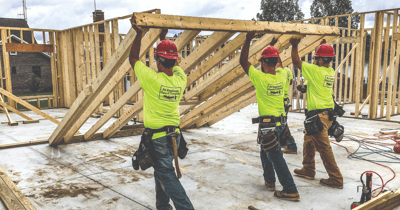
Owner disengagement during active construction, the phase between permit approval and certificate of occupancy, is one of the leading causes of cost overruns on commercial projects. KPMG's 2023 Global Construction Survey, the most recent edition of the industry's largest longitudinal study on project performance, found that only 31% of projects came within 10% of their original budget in the prior three years. A significant share of those overruns trace to owner decisions, or non-decisions, made after the permit was approved. Most owners spend months sweating over design and budget, then go quiet once the permit is approved. That silence is exactly where commercial projects lose time and money.
You've done the hard work. You picked the site, hired the architect, negotiated the contract, secured financing. The permit comes through, and there's this collective exhale. The contractor takes over. You step back. And that's where things start to go sideways.
Mistake 1: Treating Change Orders as a Normal Cost of Doing Business
Not all change orders are created equal. Some are contractor-initiated: unforeseen soil conditions, a design conflict between mechanical and structural drawings. Those happen. But owner-initiated change orders during active construction are the most expensive category, and they're largely preventable.
Timing is everything. A flooring upgrade requested during preconstruction, before procurement, costs almost nothing to implement. That same request made after tile has been ordered and the flooring subcontractor is scheduled? You're looking at a restocking fee (typically 15-25% of material cost), a two-to-three-week delay waiting for the new product, and the real possibility that your flooring crew's next available slot is six weeks out because they've moved on to another job.
DBIA research on project delivery methods shows that Design-Build projects experience significantly lower change order rates and cost growth compared to traditional Design-Bid-Build delivery. That's a structural advantage worth understanding, not just a sales point for Design-Build firms.
Mistake 2: Going Silent on RFIs and Submittals
An RFI (Request for Information) is a formal question from the contractor or architect that requires a documented answer before work can proceed. A submittal is a product or material approval request. Both often have contractually specified response windows. Both require someone on the owner's side to respond.
An owner delay on an RFI can idle a subcontractor crew. That crew moves to another project. When the answer finally comes, the sub has to be rescheduled. A 10-day delay becomes a three-week schedule slip. AGC's most recent construction hiring and business outlook surveys have repeatedly identified communication gaps and slow owner response among the top drivers of project delays.
Owners often assume the contractor handles everything during construction. But some decisions legally and contractually require owner input.
The fix is straightforward. Before construction starts, establish a response protocol. Who on your side has authority to respond? What's the turnaround commitment? This should be agreed upon at the preconstruction kickoff, not figured out after the first RFI sits unanswered for two weeks.
Mistake 3: Approving Draws Without Verifying Progress
Here's how construction loan draws work: the contractor submits a schedule of values (a line-item breakdown of the contract by work category) and periodic draw requests tied to percent-complete milestones. The owner or lender's inspector is supposed to verify that the work is complete before approving payment.
Too many owners treat draw approvals like routine paperwork. Sign, forward, move on. The problem: approving draws ahead of actual progress can deplete your construction loan funds before the building is done. When that happens, you're facing a financing crisis that can halt the project entirely, sometimes requiring emergency bridge financing at terms nobody wants.
You should understand how to read a schedule of values. Know what questions to ask. If the draw says framing is 80% complete, is it? Request a site visit or third-party inspection before approving any draw above a threshold amount you're comfortable with. Most lenders encourage this, and well-managed projects treat it as standard practice.
Mistake 4: Accessing the Site Before Substantial Completion
Substantial completion is the point at which the project is sufficiently complete for its intended use. Final completion is when every punch list item is resolved and the contractor's obligations are fully discharged. These are different milestones, and the gap between them matters.
The premature access problem looks like this: the owner, a future tenant, or their vendors (furniture delivery, IT installers, medical equipment companies) show up on site before substantial completion. This creates safety liability, warranty complications, and punch list disputes that can drag on for months.
Mistake 5: Skipping OAC Meetings, Then Disputing the Decisions
OAC meetings (Owner-Architect-Contractor) are regular project meetings during active construction where schedule updates, RFIs, submittals, change orders, and open issues are documented. Decisions get made. Minutes get recorded.
The failure: owners delegate attendance to someone without decision-making authority, or skip meetings entirely, then dispute decisions made in their absence when the finished product doesn't match their expectations.
OAC meeting minutes are legal project records. A decision documented in minutes that the owner didn't attend or respond to is difficult to contest later. This isn't a technicality. It's how construction disputes get resolved, or don't.
The owner or owner's representative with actual decision-making authority should attend every OAC meeting. If that's not possible, designate someone who can make binding decisions. Review and respond to meeting minutes within 48 hours, even if the response is just confirming you've read them.
Why the Right Delivery Method Reduces Your Exposure
Every mistake above is more likely to occur, and more costly to recover from, in traditional Design-Bid-Build delivery, where the owner sits between a separate architect and contractor with no single accountable party.
In a Design-Build delivery structure, one firm holds responsibility for both design and construction. RFI loops are internal. Change order triggers are reduced because design and construction are coordinated from the start. The owner has one point of contact.
As a commercial General Contractor and Design-Build firm with over 75 years of project delivery experience, Wolgast's structure is built to absorb the active-phase complexity that trips up owners working with less integrated teams. As an employee-owned construction company, the people managing your project have a direct stake in the outcome.
Frequently Asked Questions
What is the owner's role during active construction?
The owner or owner's representative is responsible for responding to RFIs and submittals within contractually specified timeframes, approving draw requests after verifying progress, attending OAC meetings, and coordinating vendor access through the general contractor's schedule. Delegating these responsibilities to someone without decision-making authority is one of the most common ways projects stall.
How much do owner-initiated change orders cost?
Owner-initiated change orders during active construction typically include restocking fees of 15-25% of material cost, schedule delays of two to six weeks, and potential subcontractor rescheduling costs if the original crew has moved to another job. The same change made during preconstruction, before procurement, usually costs nothing to implement.
What is a reasonable RFI response time for owners?
Five business days is a common contractual standard. Some contracts specify shorter windows. Whatever turnaround time is agreed upon at the preconstruction kickoff should be honored consistently, because a single slow response can create a schedule slip two to three times longer than the delay itself.
What happens if I access the construction site before substantial completion?
Early site access by owners, tenants, or vendors before substantial completion creates safety liability, can void warranty coverage on work that's damaged or disturbed, and generates punch list disputes that are difficult to resolve after the fact. Equipment deliveries and installations should be coordinated through the general contractor's schedule, not scheduled independently.
What are OAC meetings and do I need to attend?
OAC meetings (Owner-Architect-Contractor) are regular project meetings during active construction where decisions are made and documented in meeting minutes. Those minutes are legal project records. Decisions made in your absence are difficult to contest later, which is why the owner or a designated representative with actual decision-making authority should attend every one.
Published June 2026 • Last reviewed June 2026